
AlienFlix: films and series about aliens, and where to watch them
From The Day the Earth Stood Still, Starman and Cocoon to District 9, Super 8 and Nope, from ALF, 3rd Rock from the Sun and Resident Alien to The X-Files and Project Blue Book, and from The Iron Giant to Lilo and Stitch's adventures. Pick a poster and press Watch now.
Buzz



Encounters
Top titles
See all ›
Films
See all ›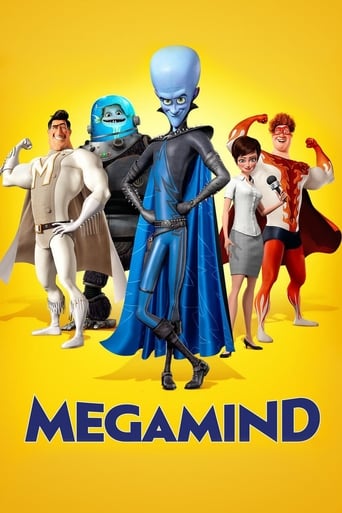


Series
See all ›
Other worlds
See all ›
Classics
See all ›
Help
See all ›- How to watch with AlienFlixFrom first sighting to first contact.
- Close encounters on AlienFlixFriendly visitors and first contact.
- Invasions on AlienFlixWhen the saucers arrive.
- Alien comedy on AlienFlixVisitors who make us laugh.
- UFO mysteries on AlienFlixAgents, cover-ups and sightings.
- Heroes from other worldsKryptonians, Time Lords and more.
- Subtitles and audioTracks for every species.
- The official AlienFlix siteRecognising AlienFlix.
- Is AlienFlix working?A quick check and easy fixes.
- Where AlienFlix titles streamThe official services behind the guide.
- Apps and devicesPhones, tablets, laptops and TVs.
- Free alien filmsLegal ways to watch at zero cost.
- Streaming safelyA short checklist.
- Finding a titleSearch, tiles and the A-Z.
- My ListSaving titles and following series.
AlienFlix: films and series about aliens, from The Day the Earth Stood Still and Starman to District 9, Nope, The X-Files and Resident Alien
AlienFlix first appeared as a bold, neon-pink streaming site with a friendly alien face in the corner and headings so big they filled the screen. The new AlienFlix keeps that playful, confident look and takes its name at its word: it is a guide to films and series about aliens. Here you will find gentle visitors and hostile invaders, flying saucers over small American towns, secret agents chasing the truth, sitcom families with an extraterrestrial lodger and superheroes who came from other worlds. Every title has a Watch now button that opens it on the official services in your country.
Aliens have fascinated filmmakers since cinema began, because they let us look at ourselves from the outside. A visitor from another world can be a mirror for our fears, a symbol of the stranger at the door, a comic outsider who notices how odd human habits really are, or a reminder of how small and precious our planet is. AlienFlix is a friendly field guide to every kind of encounter, for anyone who has ever looked at a strange light in the night sky and wondered.
The AlienFlix design
The archived capture of alienflix.net from January 2026 preserves its home page and its style sheets, and the design here is measured from them. The page is a deep slate grey with a hint of blue. The primary colour is a vivid pink, used for buttons, focus rings and, above all, the giant display words that sit behind each section title: words like WEEKLY, TODAY'S and FEATURED, set in heavy capitals so large they run across the screen, fading from bright pink at the top into the dark of the page. Over each giant word sits a small heading in widely spaced white capitals, such as BUZZ or TOP TITLES, exactly as on the original. A cool teal adds the occasional accent, and the typeface throughout is Montserrat, a geometric sans-serif that looks sharp from the lightest weights to the heaviest.
The logo is a pink alien head with dark almond eyes beside the word ALIENFLIX in heavy capitals, and the same alien face appears in the round pink button that floats in the bottom corner of every page, a wink to the avatar on the original site. Press it and it opens My List.
The header
The header floats at the top of the page with a gentle blur behind it. On the left sits the alien-head logo, which always leads home. Beside it, rounded menu links offer Home, Films, Series, Invasions, Comedy and the A-Z index, with the current page filled in pink. On the right sit a rounded search field and a My List button. On a phone, the links fold into a round menu button that opens the search field and every section. The finding a title guide explains the search field.
The Weekly Buzz rail
The home page opens with the name AlienFlix spelled out in giant pink letters that fade into the page, with the site's heading and a short introduction laid across them. Then comes the first section, WEEKLY BUZZ: a rail of posters you can swipe sideways, six across on a laptop. Each poster carries two small round badges in its corner, a heart and a bookmark, just as on the original, and beneath it you will find the title, whether it is a film or a series, and the year.
Category tiles
Next comes the CATEGORY section, a row of dark rounded tiles. Each tile names a kind of encounter, close encounters, invasions, alien comedy and UFO mysteries, and two small posters from that shelf peek out from its corner at jaunty angles. Point at a tile and the posters lift a little, as if something were stirring inside. The last tile, More, opens the full list of collections.
Today's top titles
The TODAY'S TOP TITLES section recreates one of the original's most striking ideas: a grid of the eight highest-rated titles, each paired with a huge pink numeral drawn only in outline, so the poster seems to lean against its rank. Point at a numeral and it fills with a soft pink glow. Below come the FEATURED sections for films and series, then shelves for heroes from other worlds and the saucer classics of the 1950s and 1970s.
The title page
Choose any poster to open its page. The poster sits beside the title, the year, the genres and the rating, and below them you will find a short summary and the lead actors. Series pages set out every season with its episodes and their first broadcast dates, and a tick beside each one keeps count of your progress. Beside the poster, a country selector and a Watch now button connect you to JustWatch, which lists the official services that carry the title where you are. The how to watch guide shows each step.
The saucer age
The modern alien film was born in the 1950s, when reports of flying saucers filled the newspapers and the Cold War made audiences anxious about invasion from any direction. The Day the Earth Stood Still, from 1951, directed by Robert Wise, lands a saucer on the Mall in Washington, from which steps Klaatu, a calm, courteous visitor with a towering robot named Gort and an urgent message for the nations of Earth about peace. It remains one of the most thoughtful science-fiction films ever made. The Thing from Another World, from the same year, traps a team of scientists and airmen at an Arctic base with a creature from a crashed ship.
It Came from Outer Space, from a story by Ray Bradbury, was filmed in 3D in the Arizona desert, Invaders from Mars tells its tale through the eyes of a boy who sees a saucer land behind his house, and This Island Earth sends two scientists to a distant world in glorious Technicolor. Earth vs. the Flying Saucers features the stop-motion effects of Ray Harryhausen, whose spinning saucers crash into Washington's monuments. Plan 9 from Outer Space, by Ed Wood, has become famous as one of the most endearingly clumsy films ever made, and it is watched with affection by fans of cult cinema. The 1951 to 1979 shelf gathers the saucer age.
Close encounters
Some of the most beloved alien stories are about friendship and wonder rather than conflict. Starman, directed by John Carpenter, follows a gentle visitor, played by Jeff Bridges, who takes the form of a young widow's late husband and travels with her across America to meet his ship; Bridges was nominated for an Academy Award for his remarkable, bird-like performance. Cocoon, directed by Ron Howard, finds the residents of a Florida retirement home rejuvenated by a mysterious swimming pool, and Don Ameche won an Academy Award for his role. The Man Who Fell to Earth casts David Bowie as a lonely visitor searching for water for his dying world.
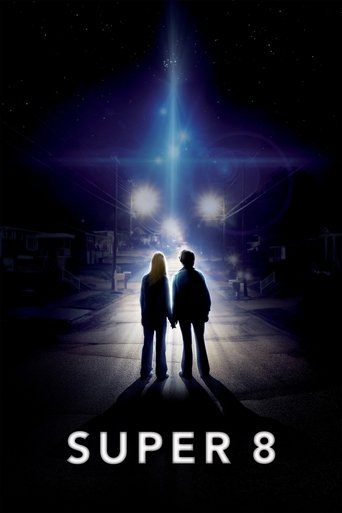
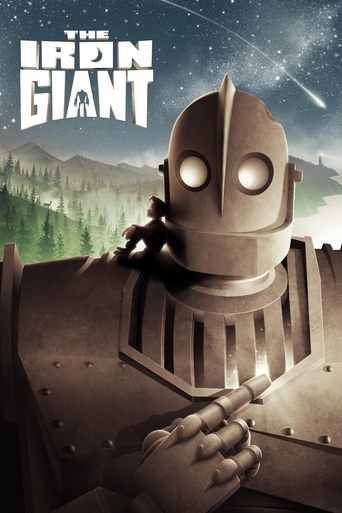
The Iron Giant, directed by Brad Bird, is one of the finest animated films ever made: in a small town in Maine in 1957, a boy befriends a giant metal robot who fell from the sky and teaches it that it can choose who it wants to be. Super 8, from J. J. Abrams, follows a group of children making a zombie film in 1979 Ohio who witness a train crash that releases something strange, and Flight of the Navigator follows a boy who vanishes for eight years and returns looking exactly as young as the day he left. The close encounters guide and the Close encounters shelf gather them all.
Modern mysteries
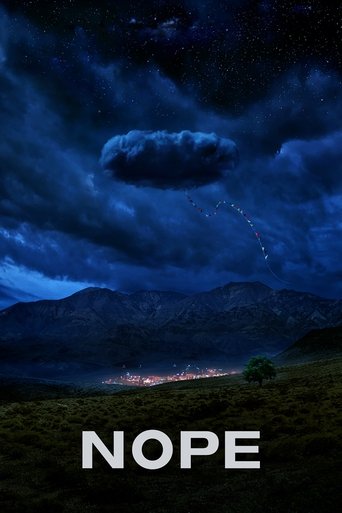
Recent filmmakers have found fresh ways to tell stories of strange visitors. The Vast of Night follows a young switchboard operator and a radio host in a small New Mexico town in the 1950s as they trace a mysterious signal, in long, gliding takes that became the talk of film festivals. Nope, by Jordan Peele, follows a brother and sister, played by Daniel Kaluuya and Keke Palmer, who train horses for Hollywood productions and set out to capture proof of something in the sky above their ranch. Signs, by M. Night Shyamalan, finds a family on a Pennsylvania farm facing crop circles and strange lights, with Mel Gibson and Joaquin Phoenix. Encounter, with Riz Ahmed, and Proximity continue the tradition.
Invasions
When aliens arrive with less friendly intentions, the result is some of cinema's most spectacular action. District 9, directed by Neill Blomkamp and produced by Peter Jackson, imagines a vast alien ship stranded over Johannesburg and its passengers confined to a crowded camp; told partly as a mock documentary, it is both a thrilling adventure and a sharp allegory, and it was nominated for the Academy Award for best picture. Attack the Block, by Joe Cornish, follows a gang of teenagers defending their South London tower block from furry, glow-toothed creatures on Bonfire Night, with John Boyega in his first starring role.
Cloverfield tells a monster attack on New York through a single handheld camera, and its companion 10 Cloverfield Lane traps a young woman in an underground bunker with a man who insists the world outside has ended. Battle: Los Angeles follows a squad of marines through a city under attack, The Tomorrow War recruits soldiers from the present to fight a war in the future, and Captive State imagines Chicago nearly a decade into an alien occupation. The World's End, by Edgar Wright, begins as a comic pub crawl in a quiet English town and turns into an invasion story, and Monsters, made on a tiny budget by Gareth Edwards, follows two travellers across an infected zone in Mexico. The invasion guide and the Invasions shelf gather thirty-eight of them.
Alien comedy
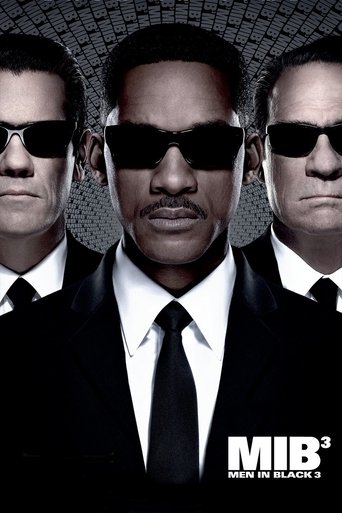
Aliens are wonderful comic characters, because everything about human life looks strange to them. Paul sends two British science-fiction fans on a road trip across the American Southwest, where they meet a wisecracking alien voiced by Seth Rogen. Evolution, by Ivan Reitman, follows a pair of college teachers who find fast-evolving life in a meteor crater in Arizona, Coneheads brings the famous sketch family from Saturday Night Live to the suburbs, and Earth Girls Are Easy lands three furry aliens in a Los Angeles beauty salon, with Geena Davis, Jeff Goldblum and a young Jim Carrey. My Stepmother Is an Alien casts Kim Basinger as a visitor who marries a scientist, and Men in Black 3 sends Will Smith back in time to 1969.
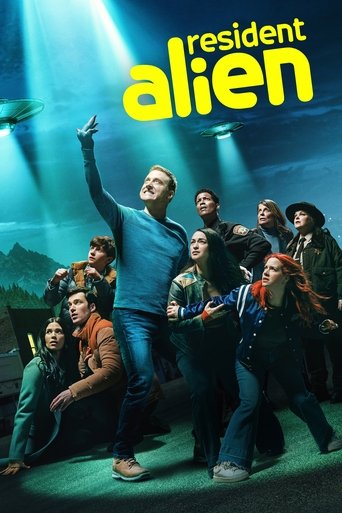
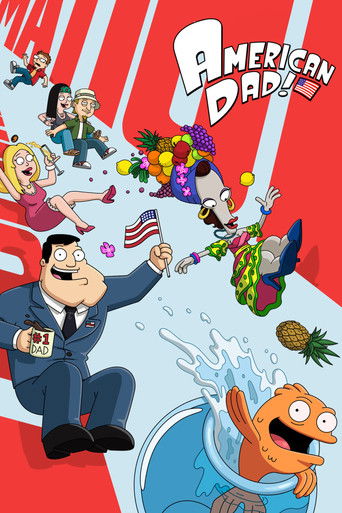
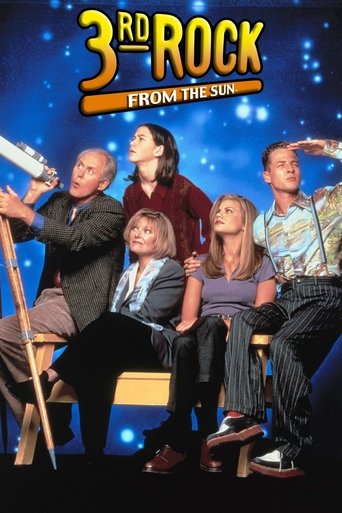
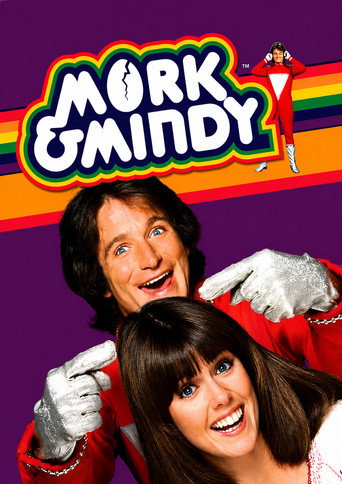
Television gave aliens their most comfortable homes. Mork & Mindy introduced Robin Williams as a cheerful visitor from the planet Ork reporting on Earth's customs, ALF followed a furry survivor from the planet Melmac who crash-lands in a suburban garage, and 3rd Rock from the Sun sent four aliens, led by John Lithgow, to study humanity disguised as an ordinary family in Ohio. More recently, Resident Alien stars Alan Tudyk as an alien who crash-lands in a small Colorado town and poses as its doctor, a warm and very funny series based on a Dark Horse comic. The alien comedy guide and the Alien comedy shelf gather thirty-two of them.
Animated aliens
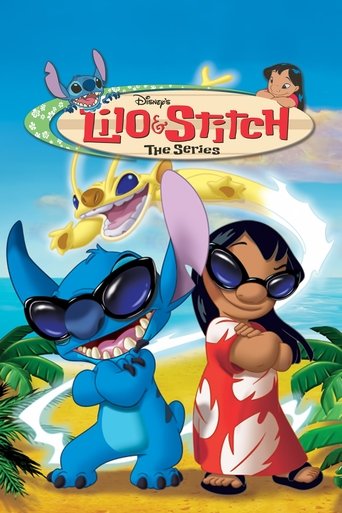
Animation and aliens go together beautifully. Stitch, the mischievous blue experiment adopted by a Hawaiian girl, stars in Lilo & Stitch: The Series and the films Stitch! The Movie, Lilo & Stitch 2: Stitch Has a Glitch and Leroy & Stitch. Megamind turns a blue alien supervillain into an unlikely hero, Planet 51 reverses the usual story by landing a human astronaut on a planet of little green people, and Space Jam sends Michael Jordan to help the Looney Tunes play basketball against a team of alien invaders. On television, Invader ZIM, Ben 10, Steven Universe Future and Voltron: Legendary Defender offer aliens of every shape and temperament. The Animated aliens shelf gathers forty titles.
The X-Files and UFO mysteries
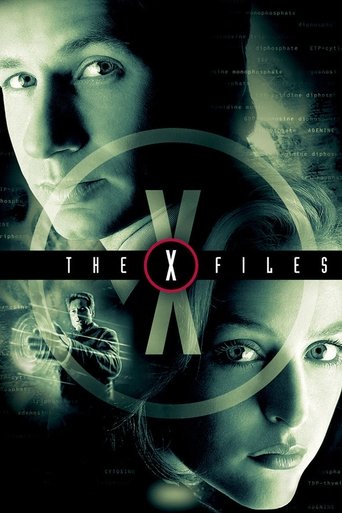
For many viewers, the defining alien series will always be The X-Files. Created by Chris Carter in 1993, it follows two FBI agents, the believer Fox Mulder, played by David Duchovny, and the sceptical scientist Dana Scully, played by Gillian Anderson, as they investigate cases the bureau would rather forget, from government conspiracies about alien visitors to self-contained stories of monsters and mysteries. It ran for eleven seasons and two feature films, The X-Files of 1998 and The X-Files: I Want to Believe, and its influence on television can hardly be overstated.
Project Blue Book dramatises the real United States Air Force investigation into UFO reports in the 1950s and 1960s, with Aidan Gillen as the astronomer J. Allen Hynek. Taken, produced by Steven Spielberg, follows three families across fifty years of history linked by a mysterious visit, and UFO follows a mathematically gifted student trying to explain a sighting over an airport. Among the documentaries, The Phenomenon gathers accounts from pilots and officials, and A Tear in the Sky revisits a famous incident in a Pennsylvania town in 1965. The UFO mysteries guide and the UFO mysteries shelf gather them.
Invasion on television
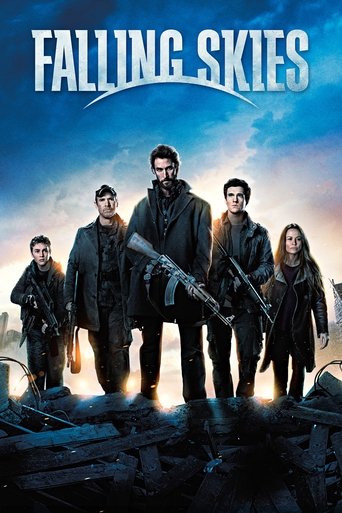
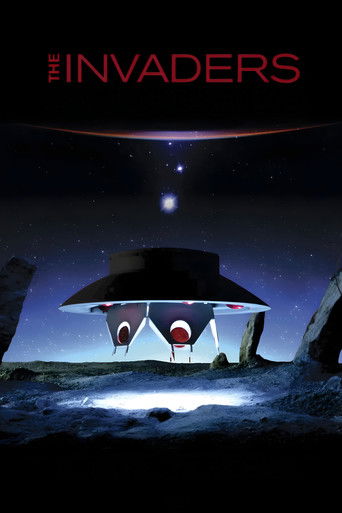
Television has told some of the longest and most intricate invasion stories. The miniseries and series V, created by Kenneth Johnson, imagined friendly-seeming visitors whose true intentions a resistance movement fights to expose, and a new V followed in 2009. Falling Skies, produced by Steven Spielberg, follows Noah Wyle as a history professor leading survivors after an invasion, and Colony imagines Los Angeles walled off and ruled by unseen occupiers. The Invaders, from 1967, follows an architect who discovers the truth and struggles to convince anyone, and UFO, from Gerry Anderson, follows a secret organisation defending Earth from a base beneath a film studio. Childhood's End adapts Arthur C. Clarke's novel about benevolent overlords who arrive to end war and hunger.
Heroes from other worlds
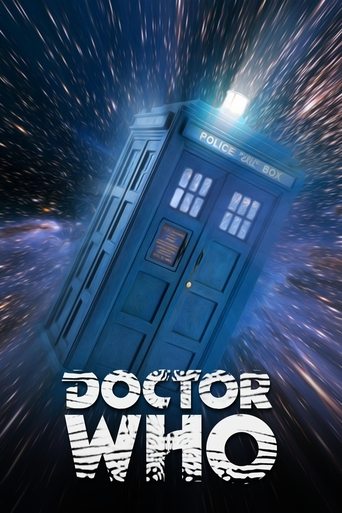
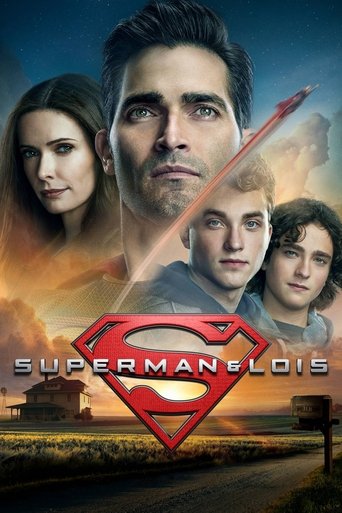
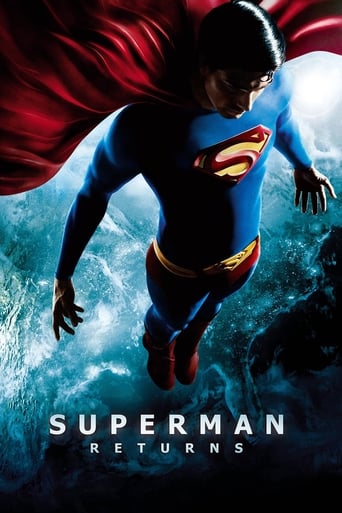
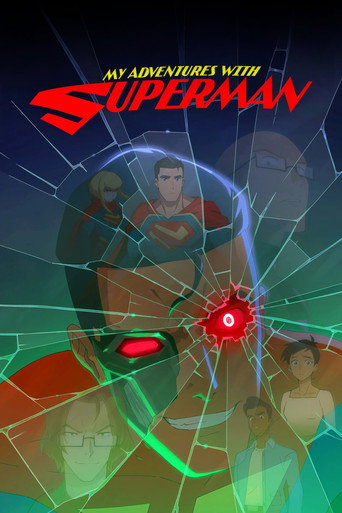
The most famous alien in popular culture is surely Superman, sent to Earth as a baby from the dying planet Krypton. Smallville follows the young Clark Kent through ten seasons of growing up in Kansas, Superman & Lois follows him as a husband and father, Supergirl follows his cousin Kara, and My Adventures with Superman retells the story in a bright animated style. Superman Returns brought the hero back to cinemas in 2006. Doctor Who, the longest-running science-fiction series in the world, follows a Time Lord from the planet Gallifrey who travels through time and space in a police box that is bigger on the inside, and Doctor Who: The Day of the Doctor celebrated its fiftieth anniversary. The heroes guide and the Heroes from other worlds shelf gather them.
Aliens for the family
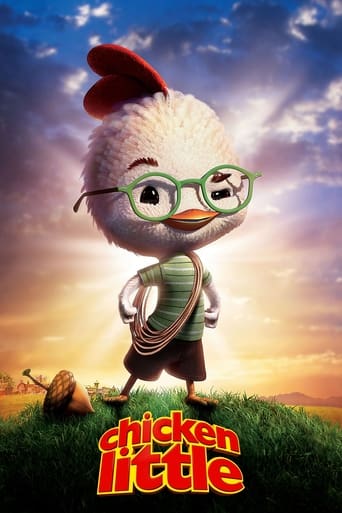
Aliens have always been a favourite of family entertainment. Earth to Echo follows three friends who find a small robotic alien and help it home, Aliens in the Attic pits a group of cousins against tiny invaders during a holiday, and Muppets from Space reveals that Gonzo's family came from another planet. Chicken Little, Mars Needs Moms and Escape from Planet Earth are animated adventures full of colour and comedy, and Jimmy Neutron: Boy Genius sends a young inventor to rescue the parents of his town from alien kidnappers. The Family favourites shelf has thirty-eight titles for all ages.
Subtitles and audio
Most titles on AlienFlix come with English subtitles and closed captions on the official services, and many offer further languages, dubbed tracks and audio description. Alien films love strange sounds, from the eerie hum of a saucer to invented alien languages, so good headphones or speakers reward the effort. The subtitles guide shows how to change tracks.
How Watch now works
Beside every poster on a title page you will find a list of countries and a Watch now button. Set your country, press the button, and JustWatch shows every official service that carries the title there, sorted into subscription, free-with-adverts, rental and purchase options. Choose one to start watching in that service's app or website. AlienFlix remembers the country you picked for your next visit, and the how to watch guide covers the details.
The services behind the guide
Alien films and series are scattered across many services. Disney+ is home to Stitch and many family titles, Paramount+ and Peacock carry a good share of classic science fiction, and Netflix, Prime Video, Max and Hulu each hold films and series from the shelves, with the mix changing by country. Classic films can usually be rented or bought from Apple TV, Google TV and Prime Video. The where titles stream guide introduces the services, and the Watch now button always shows the current picture for your country.
Free ways to watch
You can meet plenty of aliens legally at zero cost. Free services with adverts, including Tubi, Pluto TV and The Roku Channel, carry many saucer classics and cult favourites, and public libraries in many countries offer film streaming through Kanopy or Hoopla. Press Watch now to see any free options for your country listed beside the paid ones. The free alien films guide has more.
Apps and devices
AlienFlix runs in any modern browser, whether on a phone, a tablet or a computer, and it can sit on your phone's home screen like an app. The titles themselves play in each service's official app, which you can install on Fire TV, Google TV, Apple TV, Roku, games consoles and smart televisions. The apps and devices guide explains more.
My List and the pink alien
My List is your personal log of sightings. Add any title from its page, or press the pink alien floating in the corner of every page to open the list at once. For series, tick the episodes you have seen, which helps with long runs such as the eleven seasons of The X-Files or the many decades of Doctor Who. The list is kept in your own browser, private to you, and the Export and Import buttons move it between devices as a small file. The My List guide covers every button.
The official AlienFlix site
You can recognise the real AlienFlix by its dark slate page, its pink alien-head logo, the giant pink gradient words behind every section heading, the outlined pink numerals of the top-eight grid and the round pink alien floating in the corner. Every Watch now button leads to JustWatch and from there to the official services. The official site guide describes the design in more detail.
Streaming safely
Staying safe while streaming comes down to a few habits. Get apps only from official stores. Protect each service with its own strong password, and switch on two-step sign-in wherever it is available. Before entering payment details, make sure the address bar shows the genuine name of the service. AlienFlix sends visitors only to JustWatch, and JustWatch sends them only to official services. The safety guide lists the steps.
Is AlienFlix working?
To check the site, load the home page and then open any poster; if both appear, AlienFlix is fully operational. For a slow connection, a reload, a cleared cache or a different browser usually helps. Playback happens inside each streaming service, so its own support pages are the place for playback questions. The site status guide gives the full checklist.
Privacy
AlienFlix stores My List, your chosen country and your episode ticks in your own browser's local storage, where only you can see them, and clearing your browser data removes them. The site loads posters from TMDB, the Montserrat font and a small script for search and My List. The privacy page explains everything.
How the catalogue is chosen
Every title on AlienFlix was chosen by hand. The shelves hold films, series and documentaries about aliens and encounters with them, from 1951 to 2025, picked for their quality, their popularity and their place in the history of the genre. Each title was screened individually, and the guide leaves horror-led, gore-led and sex-led titles, along with conspiracy videos dressed up as documentaries, to other corners of the web. Stories of voyages into space live on Aether, and titles already on the other Claude V2 guides, including E.T., Close Encounters of the Third Kind, Men in Black, Independence Day, Arrival and Contact, stay with them, so each site keeps its own character. Posters and production details come from TMDB.
The story of AlienFlix
The name AlienFlix first belonged to a streaming site with bright pink headings and a cheerful alien mascot, which offered a general mix of films, series, sport and television. Its pages are preserved in the web archive, and they gave the new AlienFlix its look. The name suggested the rest. The new AlienFlix is an independent guide to aliens on screen, run by an editorial team of sky-watchers and science-fiction fans, and it points every visitor to the official services.
Your first visit
On your first visit, start with the Weekly Buzz rail and swipe through the favourites. Then choose a category tile for the kind of encounter you are in the mood for, or scan the top eight for the best-loved titles. If you already know what you want, type it into the search field. Save anything that catches your eye to My List, and when you are ready, press Watch now.
Why we love aliens
Stories about aliens are really stories about us. When a visitor arrives, the characters must decide whether to welcome, fear, study or befriend it, and their choices reveal who they are. In the 1950s, alien invasions reflected anxieties about war and the atom; in the 1980s, friendly visitors spoke to childhood wonder and the longing for connection; and in recent years, alien stories have explored immigration, belonging, communication and the fragility of our planet. Watching across the decades shows how each generation has imagined the stranger from the stars.
Designing an alien
Creating a convincing alien is one of the great challenges of film design. Early films relied on costumes, masks and models; later decades brought animatronic puppets operated by teams of performers, and eventually digital creatures built in computers. The most memorable aliens often combine a strange silhouette with something recognisably human, such as expressive eyes or a familiar gesture, so that audiences can read their feelings. Some of the most effective choose to show very little at all, letting shadows, lights and sounds do the work of the imagination.
Small towns and big skies
A striking number of alien stories take place in small towns: a farm in Pennsylvania, a desert settlement in New Mexico, a quiet corner of Maine, a village in Colorado. Small towns make the extraordinary feel intimate, because everyone knows one another and a single strange light in the sky becomes the event of the year. The wide skies of the countryside also make the perfect stage for things that come from above, and many of the most memorable scenes on these shelves take place under a sky full of stars.
Keep watching the skies
Whatever you choose, from a courteous visitor stepping out of a saucer in Washington to a furry sitcom lodger raiding the fridge, from a giant robot learning kindness in Maine to two FBI agents chasing the truth, the stories on AlienFlix invite you to imagine who else might be out there. Swipe the rails, follow the pink headings, keep your log in My List, and when the credits roll, come back for the next encounter. Share your favourites with friends and family, and keep watching the skies.
Where it all began
The alien invasion story began in print. In 1898, H. G. Wells published The War of the Worlds, in which Martians in towering tripods lay waste to the English countryside, only to be defeated by the humblest of Earth's inhabitants. The novel created almost every idea later films would use: the cylinder landing in a field, the heat ray, the panic in the streets, the lone witness trying to warn others. Forty years later, on the evening before Halloween in 1938, Orson Welles adapted the story for radio as a series of breathless news bulletins, and some listeners who tuned in late mistook it for real reports. The broadcast became a legend in its own right, and it showed how powerfully alien stories can play on our imaginations.
The birth of the flying saucer
The phrase flying saucer was born in the summer of 1947, when a private pilot named Kenneth Arnold reported a formation of fast, gleaming objects near Mount Rainier in Washington State, which he described as moving like saucers skipping across water. Newspapers seized on the image, and within weeks reports of saucers came from all over the country, including a famous incident near Roswell, New Mexico. Hollywood was quick to follow, and the saucer became the defining image of the alien visitor for decades. The sleek discs of the 1950s films on these shelves carry all the excitement and nervousness of that summer.
The sound of the other world
Alien films have always needed a sound for the unknown. In the early 1950s, composers discovered the theremin, an electronic instrument played by moving the hands through the air near its two antennas, whose wavering, ghostly tone became the voice of outer space; Bernard Herrmann used it memorably in his score for The Day the Earth Stood Still. Later films turned to synthesisers, electronic textures and eerie choirs, and modern sound designers build alien voices from animal calls, processed human speech and entirely invented noises. Listening closely to how a film makes its visitors sound is a fascinating game.
The real search for life
While filmmakers imagine aliens, scientists are searching for them. In 1961, the astronomer Frank Drake wrote down an equation estimating how many civilisations in our galaxy might be able to communicate, and radio telescopes have listened for signals ever since. In 1977, a telescope in Ohio recorded a strong, narrow burst of radio waves that so excited the astronomer on duty that he circled it on the printout and wrote a single exclamation beside it; the Wow! signal, as it became known, has fascinated researchers ever since. Since 1995, astronomers have discovered thousands of planets orbiting other stars, some of them in regions where liquid water could exist. The question at the heart of every film on these shelves is one that science takes very seriously.
The faces of aliens
Over the decades, a few alien faces have become instantly recognisable. The small grey figure with a large head and dark almond eyes, familiar from countless abduction stories and from the AlienFlix logo itself, became a popular image in the 1970s and 1980s. The towering robot, the shape-shifter who looks exactly like us, the cuddly creature from a faraway planet and the vast, silent ship hovering over a city are all recurring figures. Part of the pleasure of watching many alien films is seeing how each one plays with these familiar shapes, sometimes honouring them and sometimes turning them upside down.
Talking to strangers
How would we talk to a being from another world? Alien stories have imagined every answer, from visitors who conveniently speak perfect English to musical notes, mathematics, light, gestures and invented languages with grammars of their own. Some of the most moving scenes on these shelves are moments of communication: a child and a strange creature finding a way to understand each other, a scientist decoding a pattern in a signal, a family teaching a guest the meaning of a word. These scenes remind us that listening is the first step towards friendship, whoever the stranger may be.
Aliens on television
Television and aliens grew up together. Anthology series of the early 1960s told a different strange story every week, sitcoms welcomed friendly visitors into ordinary living rooms, and by the 1990s dramas were building vast conspiracies across many seasons. Each era reflected its own mood: the cheerful optimism of a Martian uncle in the 1960s, the warm family comedy of a furry lodger in the 1980s, the paranoid thrillers of the 1990s and the sprawling, cinematic invasion series of the streaming age. The Alien series shelf lets you travel through all of them, with every episode listed.
From rubber suits to pixels
The craft of bringing aliens to life has changed enormously over seventy years. In the 1950s, costume makers built suits and masks by hand, and effects artists animated models frame by frame. The 1980s brought elaborate animatronic creatures, controlled by cables and radio signals, that could blink, breathe and change expression. From the 1990s, computer-generated imagery allowed creatures of any size and shape, and today's filmmakers often combine digital work with practical effects and performance capture, in which an actor's movements and expressions drive a digital character. Each approach has its charms, and many fans have a soft spot for the handmade creatures of earlier decades.
Double bills
Alien films make wonderful double bills. Pair a 1950s classic with a modern film that pays tribute to it, such as a courteous visitor in Washington followed by a mysterious signal in a 1950s desert town. Try a friendly-visitor night with a giant robot in Maine and a stranded traveller heading for his ship, or an invasion night with a South London tower block and a pub crawl that goes cosmically wrong. For a comedy evening, pair a sitcom marathon with an alien road trip. The collections make it easy to build a programme for any mood.
Cult favourites
Some alien films have become cult treasures, loved for their oddness, their humour or their sheer audacity. Midnight screenings, fan clubs and quotable lines have kept films like an eccentric scientist-rock-star adventure, a punk comedy about a mysterious car and a circus of clown-shaped invaders alive for decades. Watching them with friends who know every line is one of the joys of the genre, and discovering them for the first time is a delightfully strange experience.
Aliens decade by decade
Browsing by decade is a fine way to see how alien stories have changed. The 1980s shelf is full of warm-hearted visitors and wild comedies, the 1990s shelf brings government conspiracies and blockbuster invasions, the 2000s shelf mixes family animation with serious science fiction, the 2010s shelf adds inventive low-budget films and smart comedies, and the 2020 onward shelf gathers the latest mysteries and series.
Watching with children
Alien stories are a lovely way to spark a child's curiosity about the universe. Friendly-visitor films raise gentle questions about kindness and difference, animated adventures make everyone laugh, and a well-chosen mystery can lead to conversations about stars, planets and the scientists who search for life beyond Earth. Afterwards, a clear night and a look at the sky, or a visit to a planetarium, can carry the adventure into the real world. As always, check the age rating on each service and choose something that suits the youngest viewer.
The Superman story
Superman first appeared in a comic book in 1938, created by two young men from Cleveland, Jerry Siegel and Joe Shuster, and he has been one of the most famous characters in the world ever since. At the heart of his story is an alien child sent to Earth from a doomed planet and raised by kind farmers in Kansas, who grows up to use his extraordinary powers for good. It is, in its way, the most hopeful alien story ever told: the visitor from the stars who chooses to protect his adopted home. The films and series on these shelves retell it for every generation, from a teenager discovering his powers in a small town to a father balancing heroism with family life.
The Doctor
Doctor Who began on British television in November 1963, the day after the assassination of President Kennedy, and it has become the longest-running science-fiction series in the world. Its hero is an alien, a Time Lord who travels through time and space in the TARDIS, a machine disguised as a blue police box. When an actor leaves the role, the Doctor regenerates into a new body with a new personality, a brilliant idea that has kept the series fresh for more than sixty years. Its mix of adventure, humour, monsters and moral questions has inspired generations of viewers, and many of them have gone on to write, act in and produce the series themselves.
A small blue troublemaker
Stitch, the small blue experiment who crash-lands in Hawaii and is adopted by a lonely girl named Lilo, has become one of the most popular animated characters of the century. His stories are about family in its broadest sense: a group of misfits, human and alien, who choose to look after one another. The films and series on AlienFlix follow Stitch's adventures with his fellow experiments, and they are full of warmth, slapstick and Hawaiian music. They are an ideal introduction to alien stories for younger viewers.
Aliens around the world
Most of the titles on AlienFlix come from the United States and Britain, but alien stories are told everywhere. Japanese cinema and animation have imagined visitors in countless forms, from giant monsters to heroes from distant planets; Korean, French, Russian and Australian filmmakers have all made memorable encounter films; and South Africa gave the world one of the most original invasion stories of the century on these very shelves. Every culture brings its own history and anxieties to the question of the stranger from the stars, and exploring those differences is part of the fun.
Encounters worth repeating
Alien films reward a second viewing. The first time, the mystery carries you along; the second time, you notice the clues planted early, the careful way the filmmakers reveal or conceal their visitors, and the small details of design and sound that make the encounter feel real. Many fans return to a favourite every year, and sharing it with someone who is watching it for the first time is one of the quiet pleasures of loving the genre.
Spotting a classic
What makes an alien film endure? The classics on these shelves share a few qualities. They treat their visitors as characters rather than mere special effects, giving them a purpose, a personality or a mystery worth solving. They care about their human characters too, so that the encounter changes someone we believe in. They use their setting well, whether a quiet farm, a crowded city or a lonely radio station. And they leave room for wonder, trusting the audience to feel the strangeness of the moment rather than explaining everything at once. Keep these qualities in mind and you will find classics in every decade.
A night of sky-watching
An alien film is the perfect prelude to a night of sky-watching. After the credits roll, step outside on a clear evening, let your eyes adjust to the dark for a few minutes, and look up. You may see the steady glide of a satellite, the brief streak of a meteor or the bright, unblinking light of a planet. Free apps can name the stars and planets above you, and many astronomy clubs hold open evenings where newcomers can look through telescopes. The real sky is every bit as astonishing as anything on screen.
Sharing the encounter
Alien films and series have passionate communities. Fans gather at conventions, dress as their favourite characters, debate theories about long-running mysteries and trade recommendations for forgotten gems. Talking about a film with others often reveals details you missed and interpretations that open the story up anew. Share your favourites with friends and family, lend them your top picks from the shelves, and enjoy the conversation that follows.
Choosing by mood
The easiest way to choose an alien story is by mood. For comfort, reach for a sitcom family with an extraterrestrial lodger or a gentle visitor who needs help getting home. For thrills, pick an invasion, a monster in the city or a band of teenagers defending their block. For something thoughtful, try a quiet mystery built around a signal, a light in the sky or a stranger who sees humanity with fresh eyes. For laughter, choose a road trip, a furry sitcom hero or a parody of the saucer age. Every mood has a shelf, and every shelf has a surprise.
The future of alien stories
Alien stories keep evolving. As scientists discover more planets around other stars and search ever more carefully for signs of life, filmmakers find new questions to ask: what would first contact really look like, how would the world respond, and what would we learn about ourselves? Streaming series have room to follow those questions across many seasons, while independent filmmakers keep finding clever, intimate ways to tell encounter stories on modest budgets. Whatever the future holds, the stranger from the stars seems certain to remain one of cinema's favourite guests.
Alien companions
Some of the most lovable aliens on screen are companions rather than conquerors: a small creature hiding in a child's wardrobe, a mischievous experiment who learns to be part of a family, a giant robot who wants only to be good, a furry houseguest with an enormous appetite. These characters let filmmakers tell stories about friendship across every kind of difference, and they are often the ones audiences remember most fondly. They also make ideal company for a family film night, when the whole household can root for the visitor to find a home.
Questions
What is AlienFlix?
AlienFlix is a guide to films and series about aliens, from the saucer classics of the 1950s to modern invasions, alien sitcoms, UFO mysteries and heroes from other worlds, with a Watch now button for every title that opens it on the official services in your country.
How do I watch a title?
Open the title page, choose your country and press Watch now. JustWatch opens with the official services that carry it where you live.
Which film should I start with?
The Day the Earth Stood Still, Starman, The Iron Giant, District 9 and Super 8 are superb first choices.
Which series should I start with?
The X-Files, 3rd Rock from the Sun, Resident Alien and Project Blue Book each show a different kind of encounter.
Are there films for children?
Yes. The Family favourites and Animated aliens shelves are full of titles for younger viewers; check the rating on each service.
Where are the space adventures?
Stories set aboard spaceships and on other planets live on Aether, the sister guide to space on screen; AlienFlix focuses on aliens and encounters.
What does the pink alien button do?
It opens My List from any page.
How do I keep track of long series?
Add the series to My List and tick the episode you reached. Your place is kept in your browser.
Can I move My List to another device?
Yes. Export My List to a small file, then import it on the other device.
Where do the posters and details come from?
Posters and production details come from TMDB, and the guides and descriptions are written for AlienFlix.
